
Expert Panic Disorder Treatment in Mohali | Recognise & Overcome Panic Attacks
Panic attacks bring sudden, intense physical sensations in upper body that easily mimic a dangerous medical emergency. In Punjabi and broader Indian cultures, this psychological distress manifests primarily through severe somatic symptoms like chest pain and heart palpitations. These terrifying episodes appear as gastric issues or minimised as everyday ghabrahat and “tension.” Consequently, many patients undergo endless unnecessary cardiac consultations before realising the root cause is emotional. Ultimately, these recurrent episodes are the hallmark of panic disorder, a highly treatable Psychiatric condition that requires expert panic disorder treatment in Mohali.
What is Panic attack or Panic disorder?
A panic attack is the abrupt onset of intense fear or discomfort that reaches a peak within minutes and includes at least four of the symptoms below.
- Palpitations, pounding heart, vibrations in the chest or increased heart rate
- Sweating profusely throughout the body
- Trembling or shaking
- Sensations of shortness of breath or smothering
- Feelings of choking in the neck
- Chest pain or discomfort
- Nausea, vomiting or abdominal distress
- Feeling dizzy, unsteady, light-headed, or faint
- Chills, feeling cold or heat sensations
- Paresthesia (numbness or tingling sensations)
- Derealization (feelings of unreality) or depersonalization (being detached from oneself)
- Fear of losing control or “going out of control”
- Fear of dying
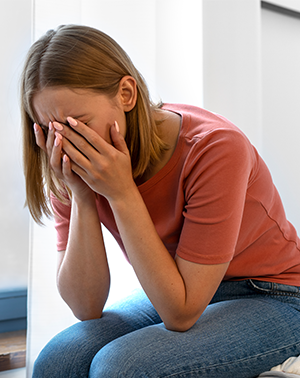
People who experience repeated panic attacks often become anxious. They are preoccupied with having another attack and may make changes to their lifestyle to avoid having panic attacks. If you have experienced four or more panic attacks or live in fear of having another attack, you may have a panic disorder. For residents in the Mohali, Chandigarh area seeking reliable panic disorder treatment in Mohali, understanding the clinical facts and treatment options is the vital first step to recovery. In case of emergency, contact your psychiatrist for urgent help.
How we treat Panic Disorder?
Panic disorder is highly responsive to clinical treatment. A comprehensive, multi-layered approach typically yields the best long-term outcomes. Dr Parag Sharma ensures patient manage acute symptoms but also achieve symptom free and lasting stability. The best and most efficacious treatment for Panic disorder is a combination of medication and psychotherapy.
Pharmacological Treatments (Medications)
-
Selective Serotonin Reuptake Inhibitors (SSRIs): Medications such as escitalopram, paroxetine, and sertraline are widely recommended as the safest and most effective first-line treatment.
-
Serotonin-Norepinephrine Reuptake Inhibitors (SNRIs): Medications like desvenlafaxine act as highly effective alternatives to SSRIs by regulating both serotonin and norepinephrine to reduce baseline anxiety.
-
Benzodiazepines: Fast-acting medications (such as clonazepam or alprazolam) utilized strictly for short-term, acute relief during a severe episode.
-
Beta-Blockers: Frequently prescribed to manage the acute physical symptoms of panic—such as a pounding heart, sweating, and tremors.
Psychotherapy Interventions
-
Cognitive Behavioral Therapy (CBT): Recognized for treating panic disorder. CBT helps patients identify and reframe catastrophic thinking, understand their triggers. It helps people develop practical coping mechanisms. CBT is highly efficacious and available for panic disorder treatment in Mohali.
-
Interoceptive Exposure Therapy: Often integrated directly into CBT, this technique involves safely and gradually exposing the patient to the physical sensations of panic.
-
Panic-Focused Psychodynamic Psychotherapy (PFPP): A specialized therapeutic approach that explores emotional conflicts, stressors, and past traumas that may be subconsciously triggering the panic disorder.
Lifestyle Modifications and Clinical Self-Care
-
Dietary Adjustments: Significantly reducing central nervous system stimulants, including caffeine, nicotine, and alcohol, which can directly trigger a panic attack. Actively seeking drug detoxification treatment is a established and effective first line response to panic disorder.
-
Consistent Aerobic Exercise: Engaging in regular cardiovascular activity helps process excess adrenaline, regulates the body’s natural stress response, and boosts mood-enhancing endorphins.
-
Clinical Relaxation Techniques: Incorporating daily practices such as deep diaphragmatic breathing, progressive muscle relaxation (PMR), and mindfulness meditation to lower the baseline heart rate and calm an overactive nervous system.
-
Sleep Hygiene Optimization: Establishing a strict, restorative sleep schedule, as sleep deprivation serves as a major biological stressor that drastically increases a person’s vulnerability to panic episodes.
Our therapists understand the struggles of panic disorder, and we have real-world experience helping people just like you.
Clinically-Proven Therapy
Our virtual 1:1 online therapy program offering video consultations combines cognitive and behavioral therapy with independent skill practice—all of which have been clinically proven to work for a wide range of symptoms so you can get holistic care.