Author: Dr. Parag Sharma, MD Psychiatry | Betterway Mental Health Clinic, Mohali
Medically Reviewed & Fact-Checked
Stress is a natural, unavoidable part of life. In small doses, it can even be beneficial, pushing us to meet deadlines or avoid immediate danger often known as “EUSTRESS”. However, when the body’s alarm system remains triggered for weeks or months on end, it transitions into chronic stress. Left unchecked, chronic stress can severely damage both your psychological well-being and your physical health. Building upon our Complete Guide to Mental Health, this article breaks down the physiological effects of prolonged tension and how to spot the early warning signs.
What Happens to the Body Under Chronic Stress?
When you encounter a perceived threat, your brain triggers a “fight or flight” response, flooding your system with cortisol and adrenaline. Under normal circumstances, these hormone levels drop once the threat passes.
With chronic stress, this biological off-switch fails. The Centers for Disease Control and Prevention (CDC) warns that a continuous surge of stress hormones disrupts almost all your body’s processes. Over time, this constant state of high alert puts you at increased risk for numerous health problems, including hypertension, heart disease, obesity, and severe sleep disturbances.
Spotting the Warning Signs
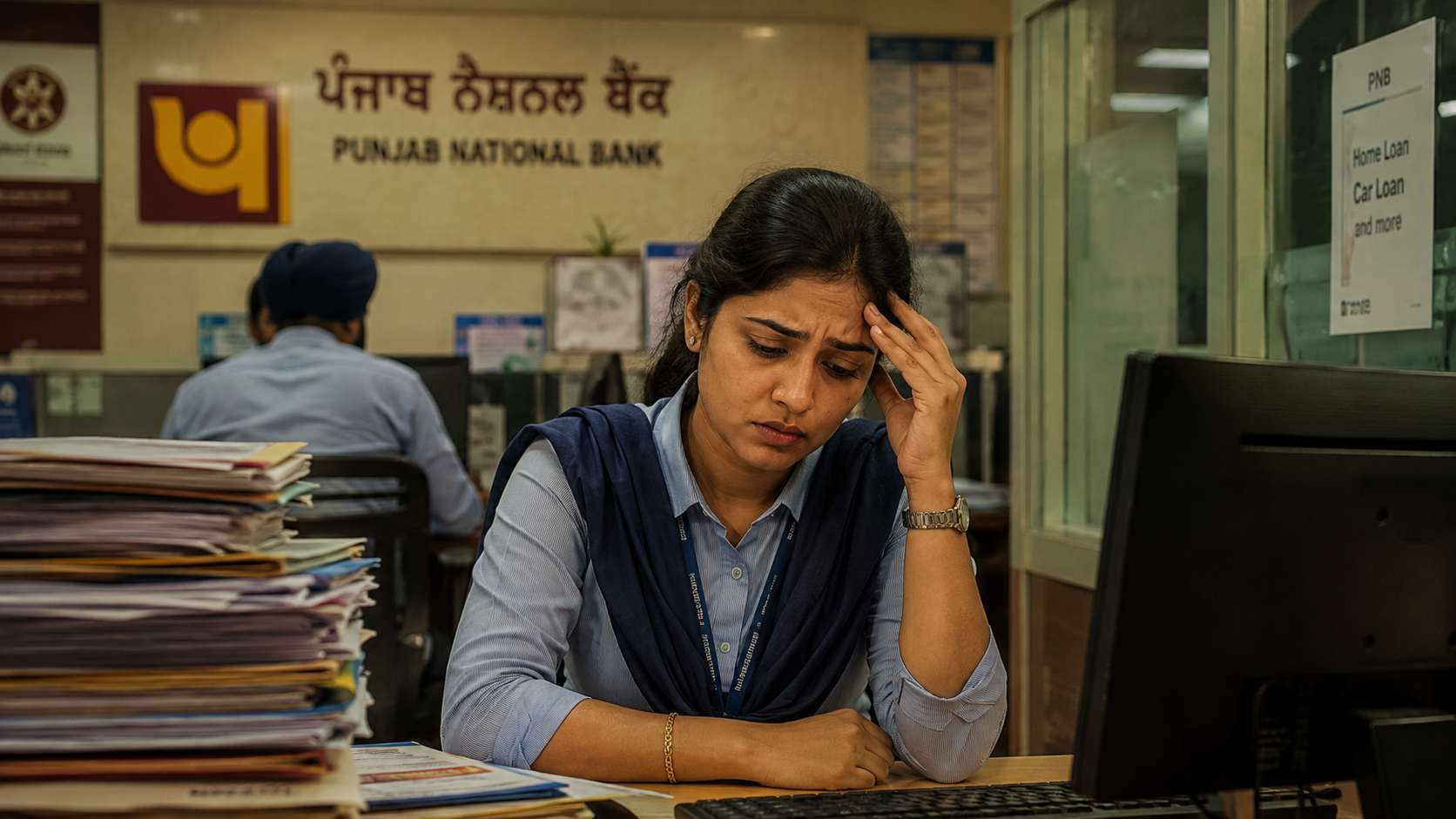
Because chronic stress builds up gradually, many people become accustomed to it, mistaking clinical exhaustion for “normal” modern life. It is critical to recognize the symptoms before they lead to a psychiatric crisis.
Watch for these primary warning signs:
- Physical Symptoms: Frequent tension headaches, chronic migraines, unexplained muscle pain, chest pain, and a weakened immune system leading to frequent colds.
- Emotional Symptoms: Constant irritability, feelings of overwhelming doom, lack of motivation, and a persistent sense of detachment.
- Cognitive Symptoms: Racing thoughts, inability to focus on simple tasks, poor judgment, and chronic forgetfulness.
- Behavioral Changes: Changes in appetite (overeating or undereating), relying on alcohol or nicotine to relax, and withdrawing from social circles.
The Clinical Perspective on Stress
The medical community takes the impact of prolonged tension very seriously. According to the WHO Mental Health Factsheet, environmental factors and modern lifestyle pressures are leading risk factors for developing severe mood disorders.
Furthermore, extensive research published in the American Journal of Psychiatry frequently draws a direct, biological line between unmanaged chronic stress and the onset of clinical depression and generalized anxiety disorders. Addressing stress is not just about relaxation; it is a critical medical intervention required to prevent long-term psychiatric damage.
Moving Toward Relief
Recognizing that you are suffering from chronic stress is the crucial first step. The next step is intervention. While our upcoming article on “”Effective Stress Management Strategies”” will outline specific daily techniques to lower cortisol, it is important to remember that severe, prolonged stress often requires clinical support.
Find Lasting Relief in Mohali
You do not have to live in a constant state of overwhelm. If chronic stress is disrupting your sleep, your career, or your relationships, professional psychiatric support can help you reset your nervous system.
Reclaim Your Peace of Mind:
At Betterway Mental Health Clinic, we specialize in diagnosing and treating the root causes of stress, anxiety, and physical burnout. Dr. Parag Sharma (MD Psychiatry) utilizes a combination of advanced psychotherapy, lifestyle interventions, and medical management to help you build lasting resilience.
Book Your Consultation Today:
- Clinic: Betterway Mental Health Clinic, SCO 7, 8, Hale Clinic, Sector 78, Mohali, Punjab
- Phone/WhatsApp: +91 6350485705
- Website: www.betterway.co.in