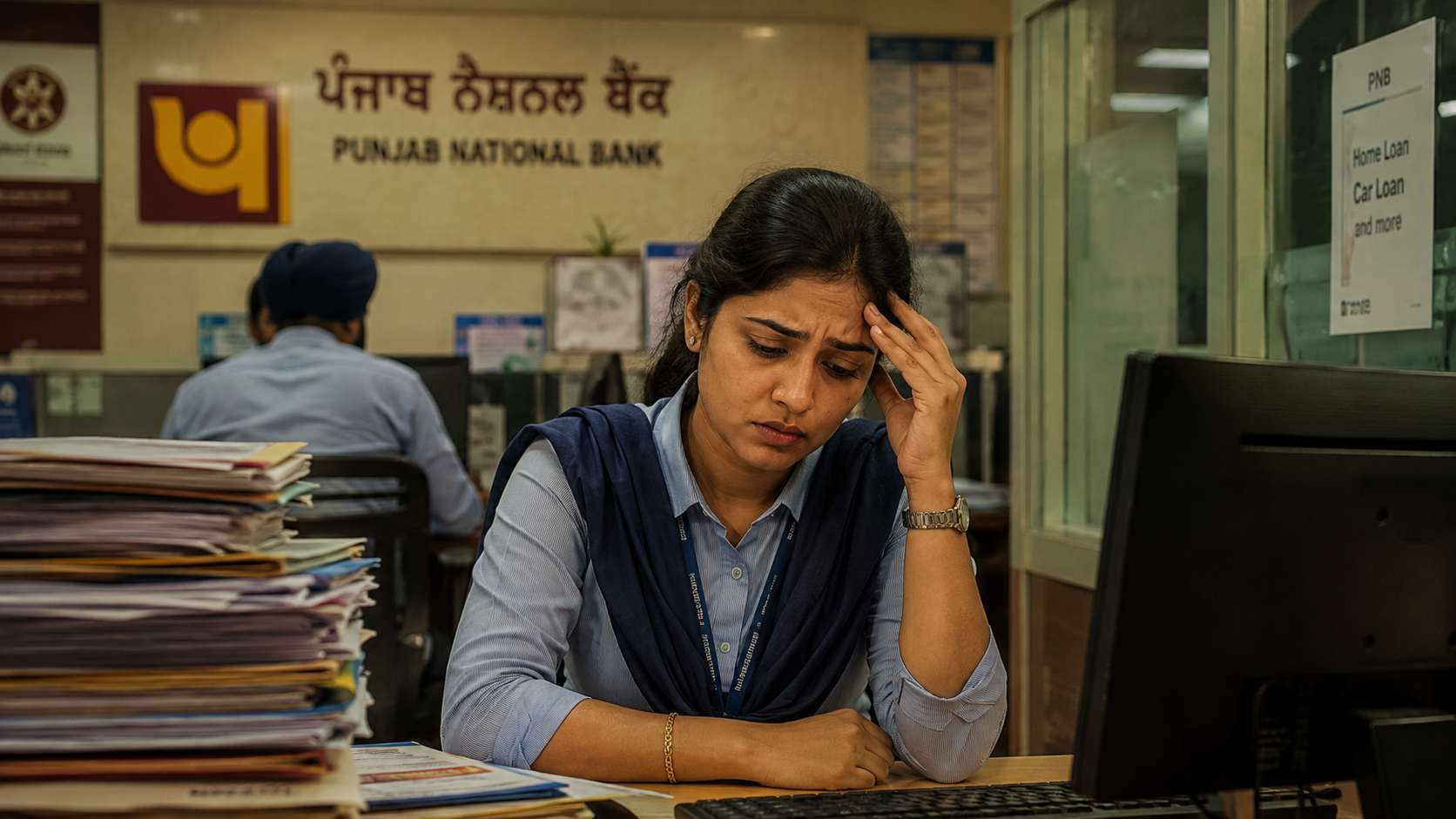
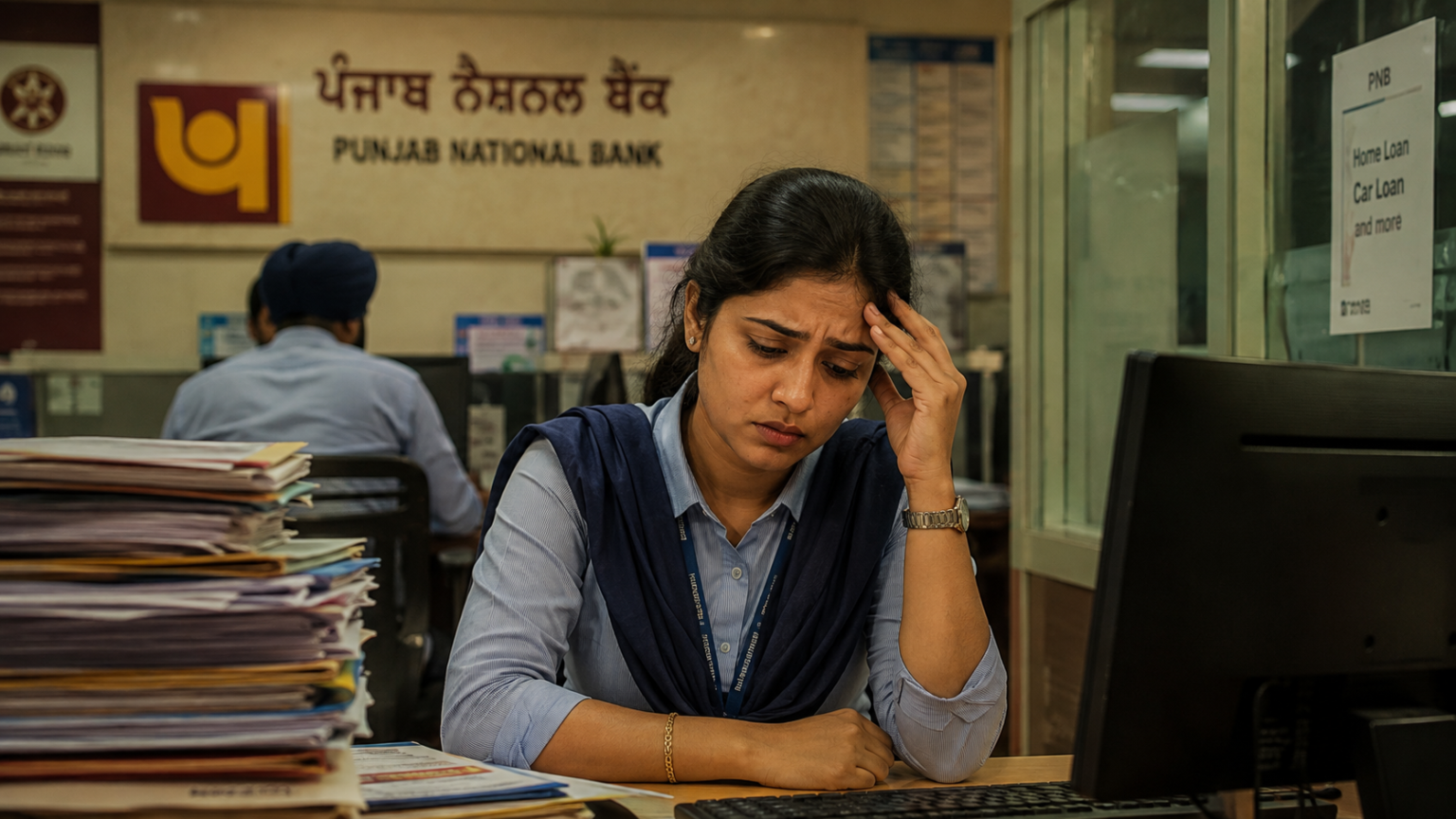
The Silent Struggle: Mental Health of Bank Staff in Punjab and Chandigarh
Author: Dr Parag Sharma, MD Psychiatry
Mental Health Expert, Mohali, Punjab
Banking is often viewed as a stable, respectable and structured profession. Yet behind the counters, computer screens, targets and customer interactions, many bank employees may be experiencing a very different reality: constant deadlines, performance pressure, long working hours, prolonged sitting, difficult customer interactions, family responsibilities and little time to recover.
For bank employees in Mohali, Chandigarh, Panchkula and the wider Punjab region, these pressures can accumulate gradually. The result may not always look like a mental health problem. Sometimes it appears as irritability, headaches, poor sleep, back pain, constant tiredness, reduced concentration or simply the feeling of being unable to switch off.
This is the silent struggle of occupational stress—and it deserves attention.
Why Bank Employees May Be Particularly Vulnerable to Stress
Modern banking involves much more than routine transactions. Employees may simultaneously manage:
- Customer expectations and complaints
- Sales and performance targets
- Digital banking responsibilities
- Documentation and compliance requirements
- Audits and regulatory expectations
- Staff shortages and workload
- Competition between branches and institutions
- Deadlines and reporting
- Transfers and relocation
- Long periods of computer use
- Pressure to remain available beyond official working hours
A Punjab-based study of 316 bank branch managers found that job and family-related stressors were associated with poorer physical and mental health. Factors included the intricate nature of the job, limited time for family and personal care, career uncertainty, performance pressure, surveillance, criticism, transfers, travelling and family obligations.
Another study of 400 bank executives from Punjab and Chandigarh reported that job stress was related to job involvement and highlighted role ambiguity, role conflict, role stagnation and competing expectations as important concerns.
These findings are particularly relevant to the Chandigarh–Mohali banking environment.
The 8-Hour Workday May Not Really Be an 8-Hour Day
Consider a hypothetical bank employee whose official working day is approximately 8 hours.
If the employee spends:
- 8 hours at work
- 1 hour commuting
- 1 hour returning home
- 2–3 hours on household and family responsibilities
the total daily commitment can easily reach:
8 + 1 + 1 + 2.5 = 12.5 hours
This is an illustrative calculation, not a claim that every bank employee follows this schedule.
For someone working six days a week, even a 12-hour total work-and-responsibility day can represent approximately:
12 × 6 = 72 hours per week
The problem is not simply the number of hours. It is the limited opportunity for psychological recovery between responsibilities.
When work stress continues into commuting, home responsibilities and sleep time, the nervous system may have fewer opportunities to recover.
Prolonged Sitting: When Mental and Physical Health Intersect
Banking is increasingly screen-based. Employees may spend substantial portions of the working day sitting at a desk, using computers, handling documentation and performing repetitive tasks.
A systematic review and meta-analysis of 28 studies found that approximately 67.8% of bank employees studied had musculoskeletal disorders, with lower-back and neck problems among the most frequently reported complaints. The evidence is particularly relevant to Punjab.
A 2026 study involving 744 bank employees in Punjab found that musculoskeletal disorders in Females were associated with factors including age, higher BMI, longer employment duration and working more than eight hours per day. Longer working hours and poor posture were also associated with greater musculoskeletal problems; lower-back pain accounted for 47.5% of reported work-related disability in the study.
An earlier study among computer-using bank employees in Nawanshahr, Punjab, reported problems involving the lower back, upper back, neck, hand/wrist and shoulder, with poor posture, job insecurity and unhealthy working conditions identified among relevant risk factors.
This illustrates an important connection as seen by Dr Parag Sharma MD, Psychiatrist in Mohali:
Psychological stress + prolonged sitting + inadequate recovery can become a physical-health problem too.
The Mental Health Burden: Stress, Anxiety and Burnout
Occupational stress does not automatically mean that someone has a psychiatric disorder.However, prolonged and unmanaged stress can contribute to emotional exhaustion and may coexist with conditions such as:
- Generalised anxiety symptoms
- Depressive symptoms
- Burnout, mental fatigue
- Sleep difficulties
- Irritability and anger
- Reduced concentration
- Panic symptoms
- Emotional exhaustion
- Loss of motivation
- Persistent fatigue
- Somatic complaints such as headaches or gastrointestinal discomfort
An Indian study of 282 bank employees in South India found that employees working more than eight hours per day had significantly higher odds of depression, anxiety and stress. The adjusted odds were approximately 2.23 for depression, 2.15 for anxiety and 3.37 for stress compared with employees working eight hours or less.
The same study found that employees working more than eight hours had higher odds of burnout, disengagement and exhaustion. Interestingly, the sex-stratified analysis showed particularly elevated odds among women working more than eight hours.
These findings do not mean that every employee working long hours will develop depression or anxiety. They demonstrate that working hours can be an important occupational risk factor.
The Additional Pressure on Women Bank Employees
Women working in banking may face a particularly complicated form of stress—not because women are inherently more vulnerable, but because professional responsibilities can overlap with expectations around household and family responsibilities.
A study of 250 female clerical bank employees examined occupational stress, household demands and mental health across different stages of women’s lives. It identified issues including role overload, poor peer relationships and role conflict.
Research involving frontline bank employees in Amritsar also found high work-family conflict, with women and parents experiencing greater conflict than their counterparts. Major contributors included job time demands, role overload, non-supportive work culture, lack of family support and difficult customer behaviour.
For a married woman working in Mohali or Chandigarh, the workday may therefore continue after leaving the branch.
There may be expectations around:
- Preparing meals
- Childcare
- School-related responsibilities
- Elderly family members
- Household management
- Social and family obligations
- Maintaining relationships
- Expectations from spouse and extended family
The “In-Law” Factor: A Culturally Relevant Source of Stress
Family relationships can be an important part of psychological wellbeing in India.
For some married working women, expectations from in-laws or extended family may add another layer of pressure. This can include expectations around household responsibilities, caregiving, social participation, timings, family roles or how professional responsibilities should be balanced with traditional expectations.
Importantly, this should not be interpreted as an inherent problem with in-laws or Indian families. Many families provide significant emotional and practical support.
The concern arises when an individual experiences persistent conflict between:
“What my workplace expects from me”
and
“What my family expects from me.”
Indian research has found that household constraints can influence the relationship between work-family conflict and mental health among female bank employees.
For some women, the psychological burden comes not from one major event but from having to repeatedly negotiate competing expectations.
The Invisible Mental Load
A bank employee may appear calm and professional throughout the working day while internally thinking about:
- Pending targets
- Customer complaints
- Tomorrow’s workload
- A difficult supervisor
- Children’s school requirements
- Household responsibilities
- Financial concerns
- Elderly parents
- Relationship difficulties
- Upcoming family events
- Transfers or career progression
This constant mental switching can create cognitive overload.
The person may still perform well at work, attend family functions and fulfil responsibilities—while privately feeling exhausted.
That is why mental health difficulties among working professionals can remain invisible for a long time.
Common Warning Signs Bank Employees Should Not Ignore
Consider seeking professional help if symptoms are persistent, worsening or interfering with daily functioning.
Emotional signs
- Persistent irritability
- Feeling overwhelmed
- Loss of interest
- Frequent worrying
- Feeling emotionally exhausted
- Difficulty relaxing
Physical signs
- Frequent headaches
- Muscle tension
- Back or neck pain
- Digestive complaints
- Persistent fatigue
- Changes in appetite
- Sleep difficulties
Cognitive signs
- Poor concentration
- Forgetfulness
- Constant overthinking
- Difficulty making decisions
- Reduced productivity
Behavioural signs
- Avoiding people
- Taking less interest in activities
- Increased reliance on unhealthy coping habits
- Frequently missing work
- Feeling unable to disconnect from work
These symptoms do not automatically indicate a psychiatric diagnosis. A professional assessment is needed to understand their cause.
Why Bank Employees Often Delay Seeking Help
Mental health concerns may be especially difficult to acknowledge in professional environments where employees feel they must remain dependable.
Some may think:
- “Everyone is stressed.”
- “I should be able to handle it.”
- “It will get better after this quarter.”
- “I don’t want colleagues to know.”
- “I have family responsibilities.”
- “I cannot take time off.”
- “People will think I am weak.”
But seeking psychiatric help is not a sign of weakness.
Mental health deserves the same seriousness as physical health.
The National Mental Health Survey conducted by NIMHANS across 12 Indian states, including Punjab, examined the prevalence, treatment gap, disability and socioeconomic impact of mental disorders.
What Can Bank Employees Do?
Mental health protection requires both individual and organisational approaches.
At an individual level
- Maintain regular sleep and wake times.
- Take short movement breaks during prolonged desk work.
- Pay attention to posture and workstation ergonomics.
- Protect some time each day that is genuinely free from work.
- Maintain regular meals and physical activity.
- Avoid carrying work conversations into every part of home life.
- Talk to someone you trust when stress becomes difficult to manage.
- Seek professional assessment when symptoms persist.
At the workplace level
Banks can support employee wellbeing through:
- Reasonable workload management
- Adequate staffing
- Ergonomic workstations
- Regular breaks
- Mental-health awareness programmes
- Confidential counselling pathways
- Supportive supervision
- Family-friendly policies
- Flexible arrangements where operationally feasible
- Early identification of burnout and psychological distress
Mental health should not be treated solely as an individual’s responsibility when workplace conditions contribute significantly to the problem.
When Should You See a Psychiatrist?
Consider professional help when anxiety, low mood, sleep problems, panic symptoms, emotional exhaustion or persistent stress begin to affect:
- Work performance
- Family relationships
- Sleep
- Physical health
- Concentration
- Daily functioning
- Quality of life
A psychiatrist can assess whether symptoms represent normal stress, burnout, an anxiety disorder, depression, another mental health condition, or a combination of psychological and physical factors.
Treatment may involve psychological interventions, lifestyle changes, supportive counselling, medication when clinically appropriate, or a combination of approaches.
Mental Health Support for Bank Employees in Mohali, Punjab
If you are a bank employee in Mohali, Chandigarh, Panchkula or the surrounding Punjab region and feel that work stress is beginning to affect your sleep, relationships, physical health or ability to function, you do not have to wait until you reach a breaking point.
At Betterway Mental Health, Dr Parag Sharma, MD Psychiatry, provides professional psychiatric assessment and treatment with an emphasis on compassionate, confidential and patient-centred care.
You don’t have to choose between being successful at work and being well.
If stress, anxiety, burnout, low mood or sleep difficulties are becoming difficult to manage, consider speaking with a mental-health professional.
Book a confidential consultation with Dr Parag Sharma at Betterway Mental Health, Mohali.
Take the First Step Toward Better Health
You do not have to accept exhaustion as your normal state. If you are seeking reliable psychiatric treatment in Mohali, professional psychiatric support can help you uncover the root cause and develop a sustainable, long-term solution.
Prioritize your health today. By addressing the psychological and behavioral barriers to rest, you can wake up ready to thrive.Start Treatment Now
Ready to take the next step? With the right professional guidance, adult Insomnia can be managed effectively. Consult an expert like Dr. Parag Sharma to start a personalized, science-backed path toward mental wellness today.
Book Your Consultation with Dr Parag Sharma Psychiatrist:
- Phone/WhatsApp: +91 6350485705
- Website: www.betterway.co.in
Frequently Asked Questions
Can bank employees develop anxiety or depression because of work stress?
Work stress can contribute to psychological distress and may be associated with anxiety and depressive symptoms, particularly when stress is prolonged and recovery is inadequate. However, mental health conditions have multiple causes and require individual assessment.
Does working more than eight hours increase mental-health risk?
Indian research among bank employees has found associations between working more than eight hours per day and higher odds of depression, anxiety, stress and burnout. This does not establish that long working hours alone cause these conditions.
Why is women’s mental health an important issue in banking?
Women may experience overlapping workplace and household responsibilities. Studies of female bank employees in India have identified work-family conflict, role overload and household constraints as relevant factors affecting wellbeing.
Can prolonged sitting affect bank employees physically?
Yes. Research among bank employees has found substantial levels of musculoskeletal problems, particularly involving the lower back, neck and upper back. Punjab-specific research has also linked longer working hours and poor posture with musculoskeletal problems.
Is burnout the same as depression?
No. Burnout is generally related to chronic workplace stress and may involve exhaustion, cynicism or disengagement and reduced professional effectiveness. Depression is a clinical mental health condition with broader symptoms that can affect multiple areas of life. A professional assessment can help distinguish them.
References and Further Reading
- National Mental Health Survey of India, NIMHANS, 2015–16 — national data on mental health burden, treatment gaps and related outcomes.
- Kang LS, Sandhu RS. Impact of Stress on Health: A Study of Bank Branch Managers in India. Study of 316 bank branch managers in Punjab.
- Khanna M, Maini V. A Study of Work Exhaustion in Frontline Bank Employees. Research involving frontline bank employees in Ludhiana.
- Prevalence of Musculoskeletal Disorders and Their Impact on Health-Related Quality of Life Among Punjabi Bank Employees. Journal of Orthopaedic Reports, 2026.
- Prevalence of Musculoskeletal Disorder among Computer Bank Office Employees in Punjab. Research involving bank computer users in Nawanshahr.
- Burnout, stress, and their correlates among bank employees of South India. Cross-sectional study examining working hours, burnout, depression, anxiety and stress.
- Research on work-family stress and mental health among female bank employees across different life stages.
- Research on work-family conflict among frontline bank employees in Amritsar, including gender and parental-status differences.
Medical Disclaimer
This article is intended for general educational and mental-health awareness purposes only. It does not constitute a diagnosis, medical advice or a substitute for consultation with a qualified healthcare professional. The research cited above demonstrates associations and occupational risk factors, not that banking employment directly causes a particular psychiatric or physical illness. Individual experiences vary considerably. If you are experiencing persistent anxiety, depression, panic symptoms, sleep difficulties, severe stress or other concerning symptoms, consult a qualified mental-health professional for an appropriate assessment.